

Exploring the cultural significance of gambling across different societies
The Historical Roots of Gambling
The practice of gambling dates back thousands of years, with evidence found in ancient civilizations. Archaeological discoveries suggest that the earliest forms of gambling involved dice and rudimentary betting games, evident in cultures such as Mesopotamia and ancient China. These games served as forms of entertainment and social interaction, often intertwined with rituals and community gatherings, reflecting the cultural values of the time. As players explore various modern platforms, they might discover outstanding options like payid casinos that offer exciting experiences.
In ancient Rome, gambling was both widespread and regulated. Romans participated in betting on gladiatorial games and other public events, viewing it as an essential part of their social fabric. The government’s attempts to control gambling through legislation reveal its significance within society; it was not merely a pastime but a major economic and social activity that shaped community dynamics and individual interactions.
Gambling’s evolution continued through the Middle Ages, where it became more organized with the establishment of betting houses. The advent of card games in Europe further diversified gambling practices, leading to the creation of casinos in the 17th century. Thus, the historical trajectory of gambling showcases its transformation from informal games to structured practices that reflect societal values and norms.
Gambling as a Social Activity
Across different cultures, gambling has emerged as a crucial social activity that fosters community bonds. In many societies, it serves as a catalyst for social interactions, breaking down barriers between individuals. For instance, in parts of Asia, communal games like Mahjong are not just about winning money but are integral to family gatherings and social cohesion, illustrating how gambling reinforces relationships and community ties.
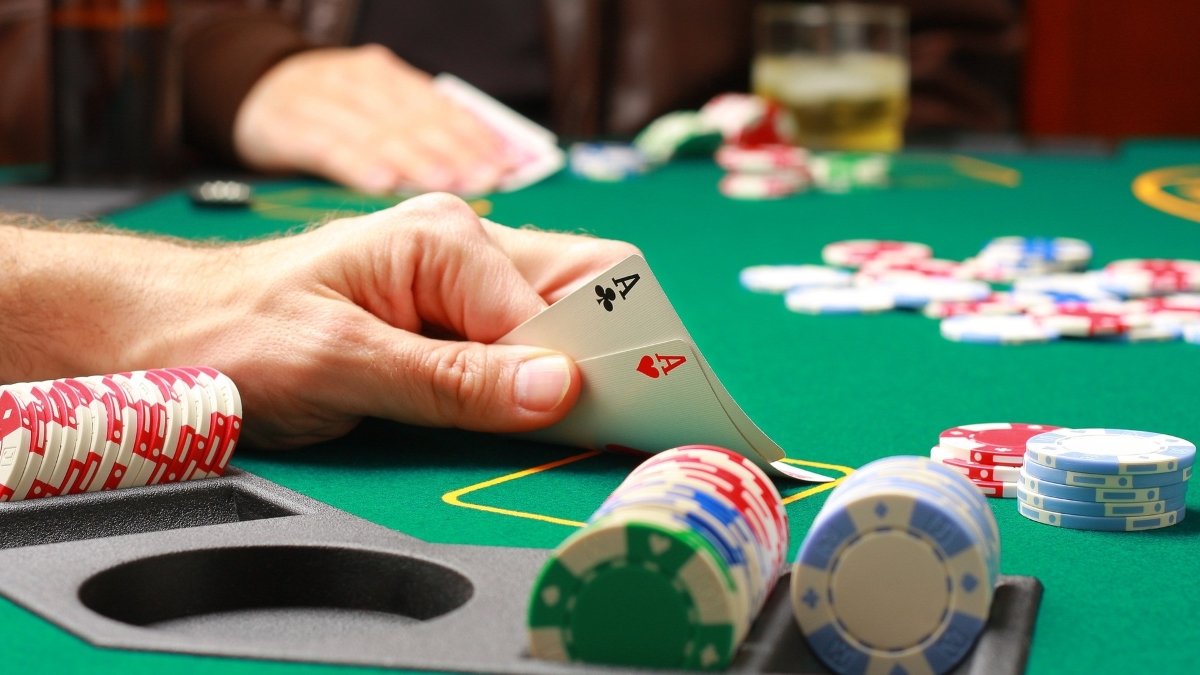
In Western cultures, poker nights and casino outings have become common social rituals among friends and family. These gatherings allow participants to enjoy each other’s company while engaging in friendly competition. The shared excitement and tension of gambling often create lasting memories and deepen relationships, highlighting its role beyond mere entertainment and into the realm of social bonding.
Moreover, gambling can also reflect social hierarchies and class structures. In some societies, access to high-stakes gambling is limited to elite circles, showcasing wealth and status. In contrast, community lotteries and local betting pools provide a more inclusive avenue for participation, blending social and economic classes. Thus, gambling functions as a mirror for societal dynamics, revealing both unity and division.
Religious and Cultural Perspectives on Gambling
The cultural significance of gambling varies greatly across religious and cultural contexts. In many faiths, gambling is viewed through a moral lens, with some religions outright forbidding it. For instance, Islam strictly prohibits all forms of gambling, associating it with vice and moral decay. This prohibition shapes the social attitudes towards gambling in predominantly Muslim societies, where alternative forms of entertainment and socialization are promoted.
Conversely, certain cultures embrace gambling as a traditional practice. In some Native American tribes, gambling holds a cultural significance tied to community identity and historical traditions. Events like bingo nights are not only entertainment but also serve as fundraising opportunities to support community welfare. These cultural practices illustrate how gambling can be integrated into the community’s fabric, providing both enjoyment and socio-economic support.
Additionally, in countries like Japan, gambling is legal but heavily regulated, reflecting a blend of acceptance and caution. Pachinko parlors are popular recreational venues, and while they are not classified as gambling in the traditional sense, they contribute significantly to the cultural landscape. This complexity reveals how cultural and religious views shape the acceptance and practice of gambling within societies, highlighting its multifaceted nature.
The Economic Impact of Gambling
Gambling has profound economic implications for various societies, generating significant revenue and employment opportunities. In places like Las Vegas, the economy heavily relies on the gambling industry, which draws millions of tourists annually. The influx of visitors not only boosts local businesses but also provides jobs to thousands, making it a cornerstone of the city’s financial stability.
Moreover, the regulation of gambling can yield substantial tax revenues for governments. Many regions use funds from gambling taxes to support public services, such as education and infrastructure. However, the economic benefits must be weighed against potential social costs, including addiction and crime, which can strain community resources and healthcare systems.
Additionally, as online gambling becomes more prevalent, economies are adapting to a digital landscape. Online casinos and betting platforms are creating new economic opportunities, leading to discussions about regulation, consumer protection, and responsible gaming. This shift demonstrates how gambling not only impacts immediate communities but also influences broader economic trends and technological advancements.
Exploring Online Gambling and its Societal Impacts
The rise of online gambling has transformed the landscape, making gambling accessible to millions globally. Online platforms offer a wide range of games, from traditional card games to innovative betting options, catering to diverse preferences. This accessibility has led to a surge in participation, often breaking geographical barriers that once limited involvement in gambling activities.
However, the proliferation of online gambling also raises concerns regarding addiction and mental health. As individuals gamble from the comfort of their homes, the risk of developing gambling disorders may increase. Society faces the challenge of addressing these issues through effective regulation and support systems, ensuring that the enjoyment of gambling does not come at the cost of individual well-being.
Furthermore, online gambling has created a new economic segment, stimulating discussions around digital currencies and payment methods. As platforms seek to enhance user experience, innovations like cryptocurrencies are being integrated into gambling, reflecting broader technological advancements. This evolution signifies not only a shift in gambling practices but also an adaptation to the changing digital economy.

Your Comprehensive Guide to Gambling Culture
Understanding the cultural significance of gambling requires a nuanced exploration of its historical, social, and economic dimensions. This article serves as a resource for anyone interested in the multifaceted world of gambling across various societies. From its roots in ancient civilizations to its modern-day implications, the journey through gambling culture reveals much about human behavior, community dynamics, and economic interactions.
For those looking to delve deeper into this topic, resources and platforms dedicated to gambling culture can provide valuable insights. Engaging with communities, whether online or in person, fosters a broader understanding of how different societies perceive and practice gambling. The wealth of information available is essential for anyone seeking to appreciate the complex layers that characterize gambling’s role in our lives.